Living in Balance Curriculum
The Living in Balance program includes three separate curriculums:
- Core Program
- Recovery Management
- Co-occurring Disorders
Core Program
This section provides a solid foundation of client education by addressing issues commonly
faced by clients in early recovery. Sessions educate clients on terminology, substances, triggers, and relapse prevention, the relationship between sex and substances and various emotional components of addiction and recovery.
Recovery Management
This section offers client education on in-depth, focused topics, such as self-help and Twelve Step programs, physical issues, social and family issues, sexual abuse and compulsive sexual behaviors, grief and loss, money management, nutrition and exercise, medication assisted treatment and chronic pain and opioids, strategies for older adults, and advanced relapse prevention.
Co-occurring Disorders
This section focuses on co-occurring disorders topics, including treatment, phases of dual
recovery, self-help groups, medication use, relapse prevention, and more.
Dialectical Behavior Therapy (DBT)
Dialectical Behavioral Therapy (DBT) is a type of cognitive behavioral therapy. Cognitive Behavioral Therapy tries to identify and change negative thinking patterns and pushes for positive behavioral changes. DBT may be used to treat suicidal and other self-destructive behaviors. The four modules of treatment skills are:
1. Mindfulness Skills – are considered core skills because they help a person develop the ability to control their attention which is a skill that is needed before a person can learn to regulate their emotions. In this module, the goal is to help clients learn to fully participate in their lives.
2. Interpersonal Effectiveness Skills – are taught so that clients learn to balance the ability to be assertive (ask for what they want and to say no), keep an improve relationships, and increase self-respect. The goal is to decrease interpersonal conflict, improve active interpersonal problem solving, and build positive social support.
3. Emotion Regulation Skills – help individuals appreciate the purpose of emotions when encountering different problems and situations. Clients learn to accurately identify and label emotions, change emotional responses to situations, reduce vulnerability to negative emotions, and learn to manage extreme emotions. For most clients, the development of these skills includes the process of learning an emotion vocabulary that helps them recognize and communicate their emotional needs to others.
4. Distress Tolerance Skills – are taught so that clients can learn to cope with periods of intense emotions and stress without behaving in a way that would make the situation or problems worse. The clients more effective ways of managing crisis situations. These skills help client who experience chronic problems and stressors learn to accept reality as it is.
Moral Reconation Therapy (MRT)
Moral Reconation Therapy (MRT) is a systematic treatment strategy that seeks to decrease recidivism among adult criminal offenders by increasing moral reasoning.
MRT is a unique cognitive behavioral treatment approach designed for the criminal offender populations. The program is designed to alter how offenders think and how they make decisions about right and wrong. This is a 16 step program, and each person will complete this portion of their treatment at different rates of speed.
Our Staff
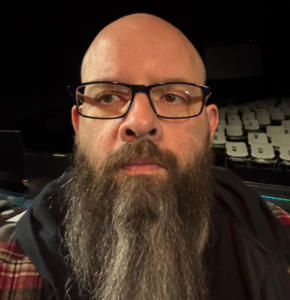
Eric Lohn-Thomas
XChange RecoveryMy name is Eric Lohn-Thomas, and I am a Substance Use Disorder Professional Trainee (SUDPt). My passion for helping others comes from both professional training and lived experience. Having experienced addiction, homelessness, and the challenges of rebuilding a life in recovery, I understand firsthand the courage it takes to ask for help and make lasting change.
I believe that recovery is possible for anyone who is willing to take the journey one step at a time. My approach is rooted in compassion, authenticity, accountability, and hope. I strive to create a safe, supportive environment where individuals feel heard, respected, and empowered to work toward their goals.
At XChange Recovery, I facilitate groups and work with individuals who are navigating substance use disorders, mental health concerns, trauma, and life transitions. I am passionate about helping clients develop practical coping skills, build healthy relationships, strengthen recovery support systems, and discover a renewed sense of purpose.
My treatment approach incorporates evidence-based practices including Motivational Interviewing (MI), Cognitive Behavioral Therapy (CBT), Dialectical Behavior Therapy (DBT) skills, relapse prevention, and person-centered counseling. I believe that every individual has unique strengths and that successful recovery looks different for each person.
Education:
– Associate Degree
– Currently pursuing a Bachelor’s Degree in Psychology
– Substance Use Disorder Professional Trainee (SUDPt)
Whether you are just beginning your recovery journey or working to maintain long-term sobriety, I consider it an honor to walk alongside you as you build a healthier and more meaningful life.
XChange BHA – North Campus
-
IOP & Outpatient Substance Use Disorder (SUD) treatment
Hours of Operation:
Monday thru Thursday 9:00AM to 7:00PM Friday 9:00AM to 5:00PM
21810 NE 37th Ave. Ridgefield WA. 98642
Or call to schedule an appointment: 844-777-XBHA (9242) Fax 360 397-7477
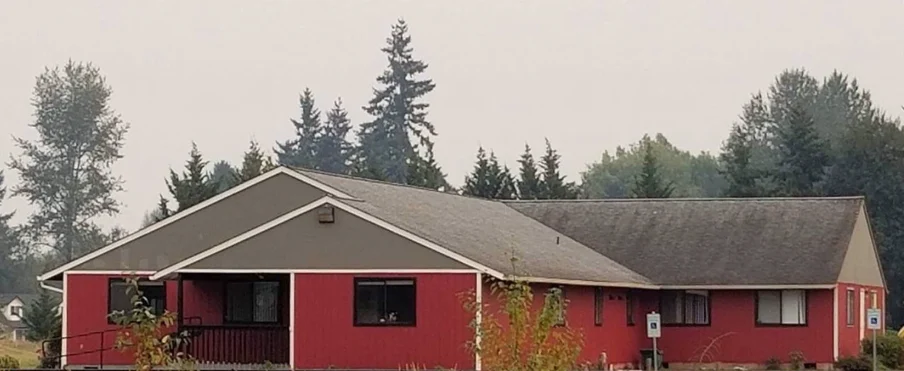
XChange BHA North Campus